Add your promotional text...



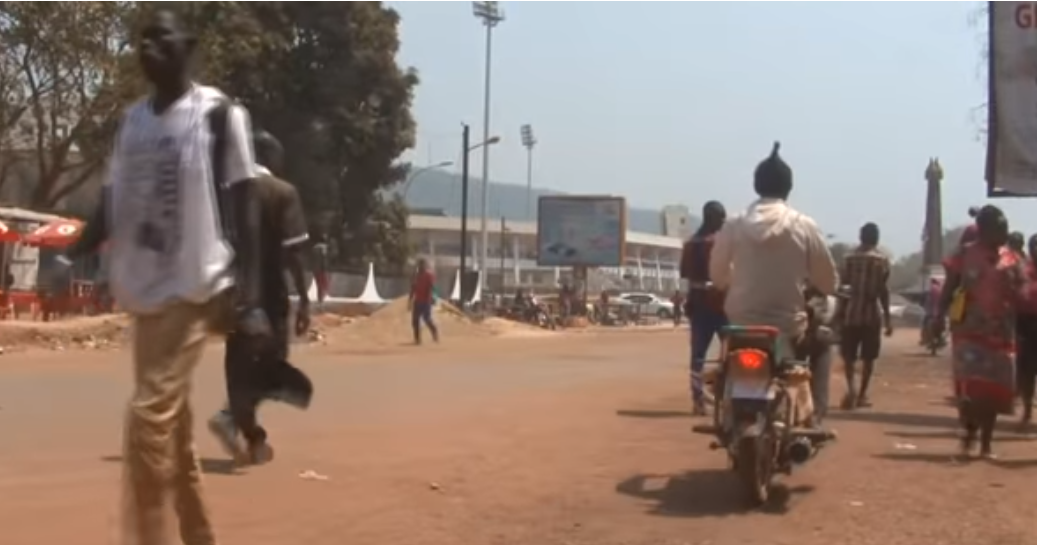
Motorcycle taxis in Bangui
By IKaren Ann SULLIVAN | LNC
(Bangui, 17 May 2026 | LAMINE MEDIA) Originating in Asia, just as wax print fabric comes from Holland (yes, that stuff isn’t African), motorcycle taxis have, in a short space of time, become an indispensable part of people’s daily lives. Fast, accessible and ubiquitous, they not only transport people but, increasingly, goods as well. However, these loads are often stacked precariously, far exceeding safety limits. This common practice poses a real danger: loss of control, serious accidents, injuries and even death. Motorcycle taxi drivers are aware of these inherent dangers. Is it for fear of losing a customer? The Central African Republic has a Highway Code, but it is frequently flouted. And motorbike taxis are no exception. This lack of discipline contributes to the rise in road accidents in Bangui. Every week, the emergency services deal with accident cases, some of which involve motorbike taxis, with some victims even ending up in the cemetery. And the police proceed to impound vehicles in cases of non-compliance with rules regarding overloading or the absence of regulatory documents. In theory, that is, because although they are present in several districts, unfortunately they do not always carry out their duties properly. This can be explained by a lack of resources, tolerance or even corruption. Yet their role is to protect the public and ensure road safety. However, they often limit themselves to checking documents and licences, whilst neglecting the safety of people. There are nearly 10,000 motorcycle taxis in Bangui, even though they are banned from the city centre.
For: LAMINE MEDIA (in FR and GB)
Photo: Albert FALL/LNC
Date: 17 May 2026
Copyright ©: 2013 - 2026 All rights reserved: LAMINE MEDIA
SIGN UP FOR OUR NEWSLETTER
contact@laminemedia.com
+33 06 13 98 02 86
© 2025. LAMINE MÉDIA All rights reserved.